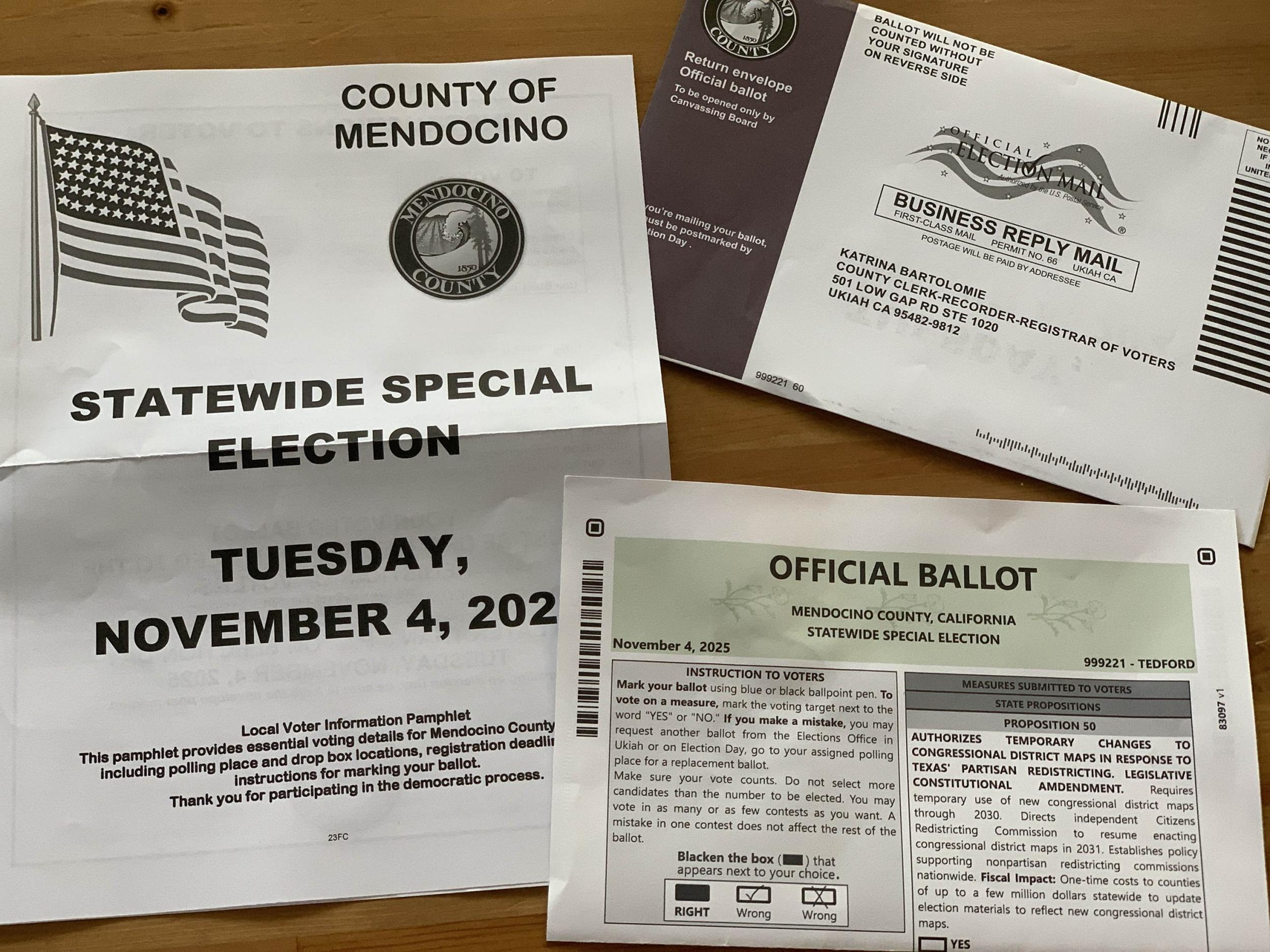
While 2025 isn’t a presidential election year, it nonetheless features important contests that can influence state-level power and set the stage for 2026 and beyond. For example:
- The general elections on November 4, 2025, include gubernatorial races in two states: New Jersey and Virginia.
- Some state legislative elections are also held.
- Special elections to the U.S. House (for vacant seats) may occur.
- Election forecasters and analysts are already framing these contests in terms of national trends, party momentum, and structural factors.
Thus, while the spotlight tends to fall more on presidential years, 2025 matters — especially for state-and-local power, and for the signals these contests send about the national political climate.
Key themes shaping the predictions
When looking ahead to 2025, several recurring themes emerge in the commentary and data.
1. Structural headwinds for the party in the White House
Political science research consistently shows that the party occupying the White House tends to lose ground in mid-cycle or off-year elections (especially in Congress and at state levels). One recent model projects that the party of the president could lose 20-30 seats in the U.S. House in 2026.
While 2025 isn’t the full midterm, it’s on the path toward it. The “electoral calendar” effect means that the party in power often faces challenges in mobilization, voter fatigue, and structural disadvantages.
2. The importance of state-level contests
Since the 2025 gubernatorial and legislative races are limited (two governorships, a few legislative chambers), the focus is heightened:
- In Virginia, for example, the state legislature is narrowly divided and Republicans aim to make gains.
- New Jersey is a Democratic-leaning state, and Democrats have had a governing trifecta (governorship + both chambers)
- State-level outcomes matter because governors and state legislatures influence redistricting, election law, national party infrastructure, and policy momentum.
3. Polling, forecasting and caution
Analysts at outlets like Cook Political Report and Sabato’s Crystal Ball emphasize that while statistical models provide probabilities, surprise outcomes remain possible — especially in hyper-polarised contexts.
For example, structural variables (economy, presidential approval) matter, but so do campaign dynamics, unexpected events, turnout, and local context.
What the forecasts suggest
Bringing together the above themes, here are some of the leading predictions for 2025.
Virginia
- In the gubernatorial contest, the Democratic nominee is Abigail Spanberger. Republicans have nominated Winsome Earle‑Sears.
- Polling from mid-2025 suggests Spanberger holds a lead. For instance, in September, one poll showed her ahead 49 % to 37 %.
- Because the legislature is narrowly held by Democrats, Republicans see opportunity to pick up seats. But the lean in statewide polling indicates a Democratic tilt for now.
Prediction: Democrats likely retain the governorship and maintain or slightly grow their legislative margin — unless a strong statewide backlash or turnout surge for Republicans occurs.
New Jersey
- New Jersey remains strongly Democratic at the state level: the Democrats hold large majorities in both legislative chambers.
- Given the state’s partisan lean and incumbency advantage, the Republicans face an uphill battle.
Prediction: Democrats are favored to maintain the governorship and legislative control; Republicans may make incremental gains but not flip anything major.
National Implications
- Since only a few races are on the ballot, the national party implications are modest — but meaningful. A strong performance by Republicans in Virginia could signal momentum going into 2026; a weak showing might raise questions about their mid-term readiness.
- For Democrats, holding or expanding state-level control would help rebuild infrastructure, policy wins, and narrative momentum.
- Given structural models and historical patterns (e.g., the party of the president tends to lose seats), if Republicans are in power at the federal level, they could face tougher headwinds going into 2026. (One forecast suggests they might lose ~28 seats in the House in 2026.)
Why things could still shift
Despite the above leanings, several wildcard factors could alter the outcome:
- Turnout surprises: Off-year elections often see lower turnout, which can advantage the more motivated or better-organised party locally.
- Campaign messaging & issues: If one party mobilises strongly around salient issues (inflation, crime, abortion, education), that may change the dynamic.
- Localised events: Governors or state legislators face issues unique to their states (e.g., economy/infrastructure in Virginia or New Jersey). A negative development for one party could hurt them disproportionately.
- National mood swings: Even though these are state contests, national politics (presidential popularity, economic conditions, major scandals) can bleed into voters’ decisions.
- Prediction model limitations: As we’ve seen in recent elections, models and polls sometimes mis-forecast because of unusual circumstances: changed voter behaviour, polling under-coverage, or new campaign dynamics.
Final takeaway
While 2025 may not grab the banner headlines of a presidential year, it remains politically meaningful — especially for state-level power and the early indicators of national trends.
- In Virginia, Democrats are currently advantaged; Republicans have an opportunity, but face headwinds.
- In New Jersey, Democrats are in a strong position; the Republicans would need a significant shift to flip anything major.
- Nationally, these races provide early signals of how parties are positioned heading toward 2026, especially in light of historical structural pressures on the party of the president.
In short: expect modest gains, tight contests, and important signalling, rather than dramatic landslides.
